Fujairah Laboratories is the pioneer in the food and feed testing field, deploying a comprehensive range of state-of-the-art analytical techniques in order to support its clients’ increasingly stringent quality and safety standards.
Nutritional Testing
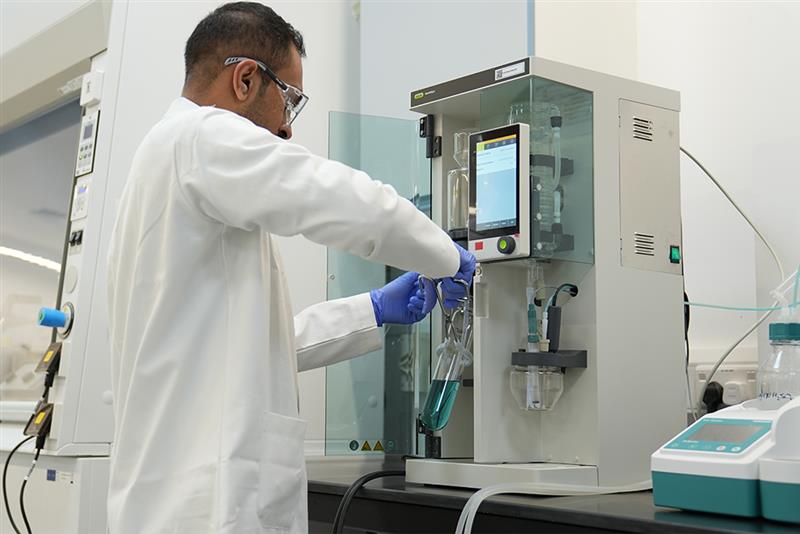
Nutritional testing can help manufacturers ensure that their products contain the right amount of macronutrients, micronutrients, amino acids, fatty acids, minerals, vitamins, and other critical ingredients. Nutritional products are more widely available than ever before, but consumers want to know exactly what is in the products that they are ingesting.
We offer the broadest portfolio of analysis for all kinds of food.
- Baby food
- Eggs and egg products
- Fats and oils
- Fish and seafood
- Fresh fruit and vegetables
- Grains and grain products
- Meat and meat products
- Milk and dairy products
- Nuts and dried fruits
- Pet food
- Sweets, chocolate
- Honey
- Tea & Tobacco
- Ready-to-eat products
Allergen Testing
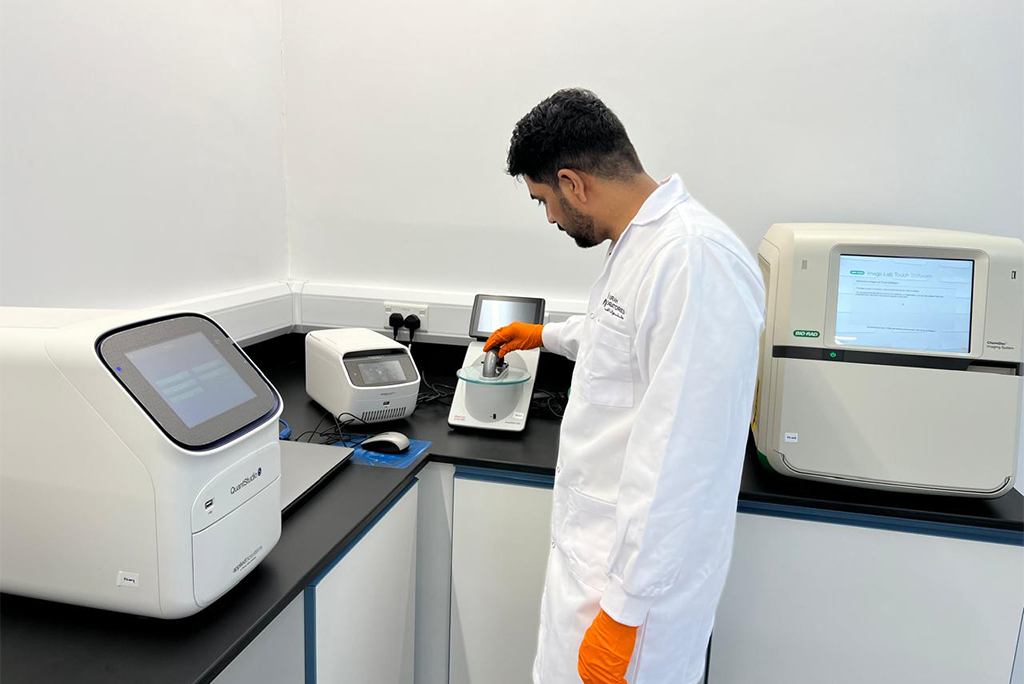
People with food allergies or intolerances must adhere to strict avoidance of their allergens or foods that cause reactions, so food manufacturers must provide detailed information about the contents, additives and cross-contamination risks for all food products. In addition, they must follow strict government regulations, which vary throughout the world. Fujairah Laboratories provides allergen testing in all type of foods using LC-MS and ELISA methods.
- Milk
- Eggs
- Fish
- Shellfish
- Tree nuts
- Wheat
- Soybeans
- Sesame
Halal & Authenticity Testing
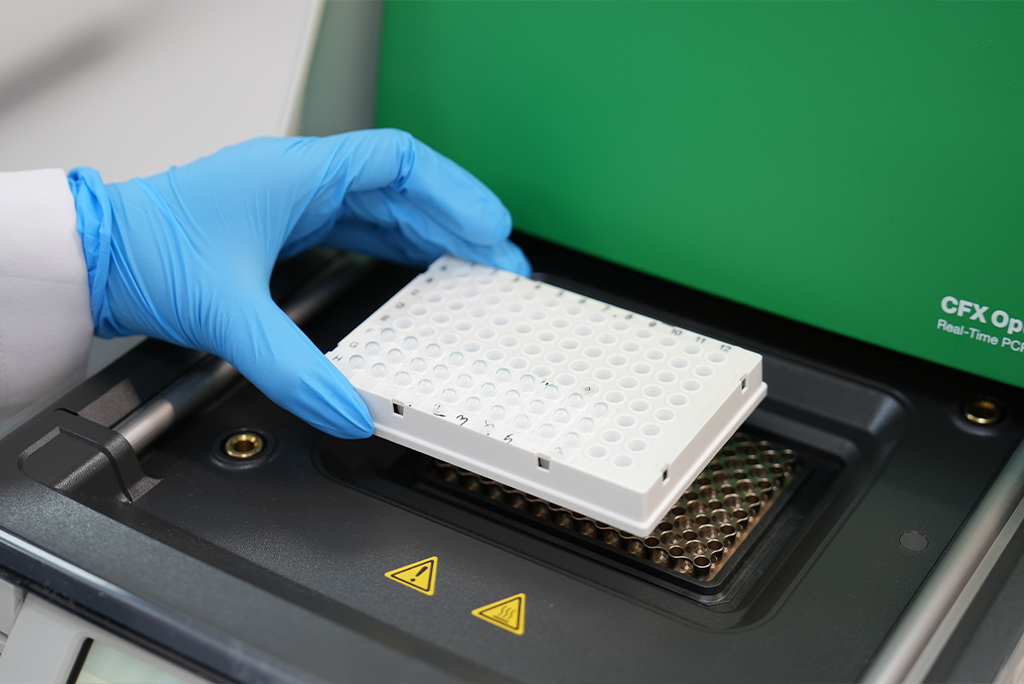
We pioneered DNA-based analytical technologies for food testing using innovative protocols to improve the safety and authenticity of our clients. Fujairah Laboratories carries out molecular biology techniques and a large number of classic physical, chemical and biological methods: liquid or gas chromatography, and spectroscopy and has a very wide range of analytical tools to control product authenticity.
- GMO testing
- Species identification (Pork, Sheep, Cattle, Chicken, Turkey, Horse, Donkey)
- Sugar profile
- Amino Acid Profile
- Fatty Acid profile
- Alcohol Testing
- Kosher Testing
- Label Verification
Organic Contaminants
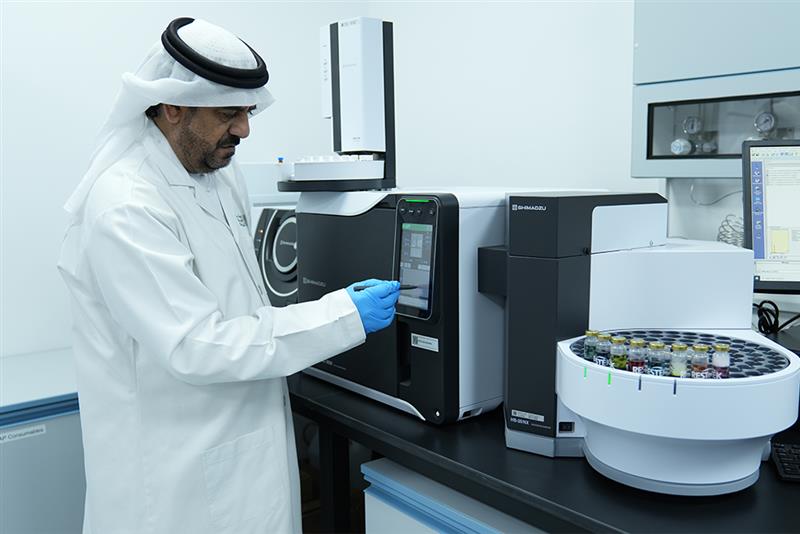
Organic contaminants are chemicals that contain carbon atoms and are often harmful to the environment and human health. These substances are typically the byproducts of human activities, such as industrial production, agriculture, and waste management. They can be naturally occurring or synthetic, and many are persistent, meaning they do not break down easily in the environment. Organic contaminants are a major concern because they can accumulate in living organisms, leading to bioaccumulation and biomagnification through the food chain.
Fujairah Laboratories performs analysis with Cutting-Edge technologies to detect trace levels of contaminants
- Per- and Polyfluoroalkyl Substances (PFAS)
- PCBs (Polychlorinated Biphenyls)
- Pesticides (500+)
- Volatile Organic Compounds (VOCs)
- Polycyclic Aromatic
- Polycyclic Aromatic Hydrocarbons (PAHs)
- Dioxins and Furans
- Phthalates
- Bisphenol A (BPA)
- Veterinary Drug Residues
- Food Additives
- Acrylamide
- Nitrosamines
Microbiology Testing
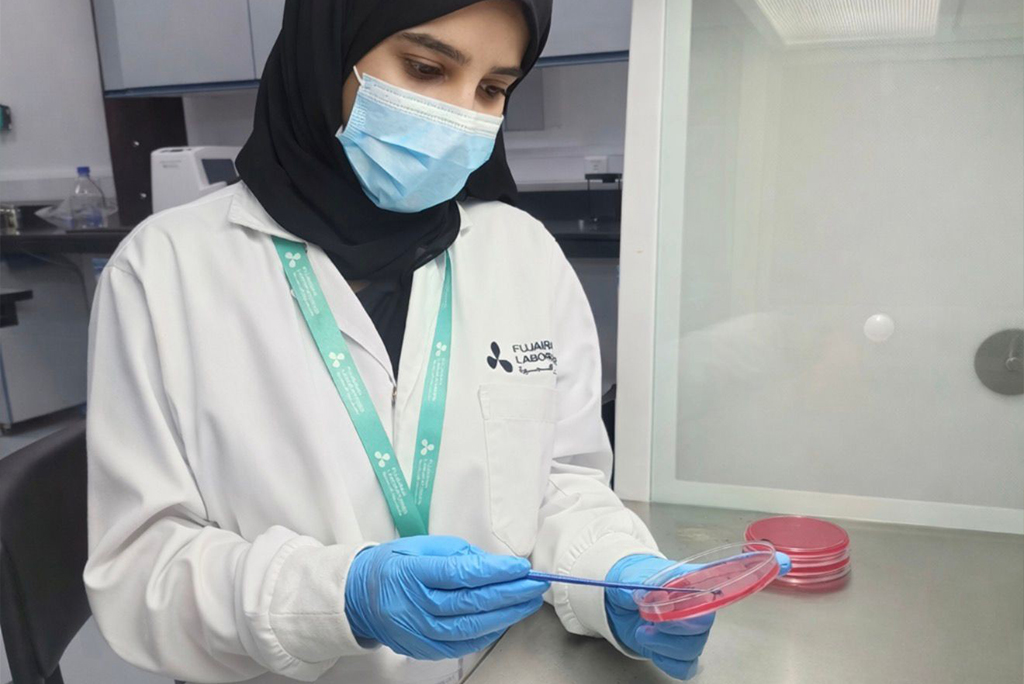
Fujairah Laboratories provides a broad range of microbiology testing in food samples. The microbiological testing portfolio includes analytical services to detect pathogenic microbes and their toxins or organisms causing decay (such as yeasts, fungi or moulds), to provide hygiene checks (e.g. site inspections but also sterility tests in packaging materials, measurement of airborne microbes) intending to make foods and other products safer for our clients, meeting statutory requirements and protecting the consumer.
Fujairah Laboratories offers both classical microbiological methods and modern molecular (e.g. PCR methods) for rapid results of Bacteria, Viruses and Parasites
Bacteria
- Salmonella
- Escherichia coli (E. coli)
- Listeria monocytogenes
- Campylobacter
- Clostridium perfringens
- Clostridium botulinum
- Salmonella spp
- Escherichia coli O157
- Listeria monocytogenes
- Campylobacter spp
- Clostridium botulinum
- Clostridium perfringens
- Vibrio spp
- Total Plate Count (TPC)
- Coliforms
- E. coli
- Enterobacteriaceae
- Yeast and Mold Count
- Lactic Acid Bacteria (LAB)
- Pseudomonas spp
- Bacillus cereus
Viruses
- Hepatitis Virus
- Noro Virus
- White Spot Syndrome Virus (WSSV)
- Yellow Head Virus (YHV)
- Taura Syndrome Virus (TSV)
- Viral hemorrhagic septicaemia (VHS)
- Lymphocystis Disease (Lymphocystivirus)
- Infectious Pancreatic Necrosis Virus (IPNV)
- Iridovirus (VNN)
- Abalone herpesvirus
- Osteoid herpesvirus
Parasites
- Giardia
- Cryptosporidium
- Toxoplasma gondii
- Bonamia exitiosa
- Bonamia ostreae
- Marteilia refringens
- Perkinsus marinus
- Perkinsus olseni
- Xenohaliotis californiensis
Mycotoxins
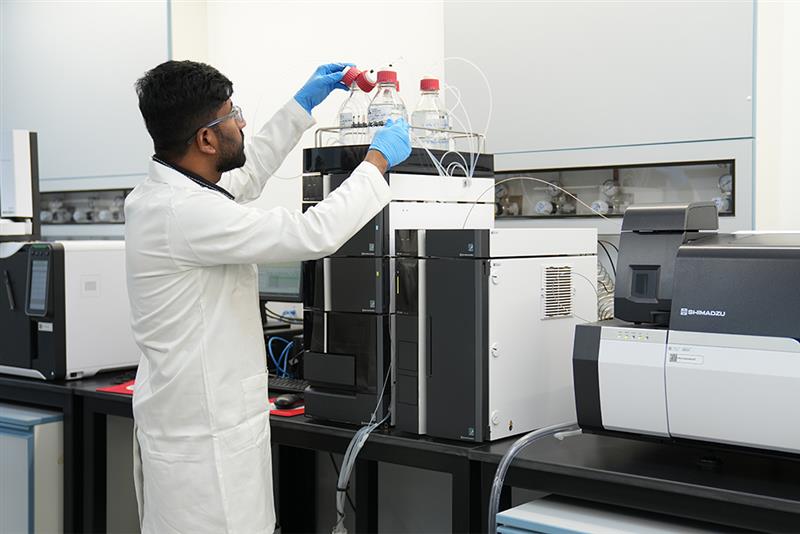
Mycotoxins are secondary metabolites of moulds, which already have toxic effects on vertebrates in the smallest quantities. Depending on specific substances and concentration, they are carcinogenic, mutagenic, teratogenic and immunosuppressive.
The main source for mycotoxins entering the food chain is cereals, but many other food items such as fruits and nuts. The capabilities of Fujairah Laboratories include, but are not limited to, the detection of the following toxins.
- Aflatoxin B1, B2, G1, G2, M1 & M2
- Ochratoxin A & B
- Fumonisins B1 & B2
- Fusarium Toxins – T2 Toxin, HT2 Toxin, Zearalenone, Deoxynivalenol (DON),
Thank you! 🙌
We’ll contact you shortly.
